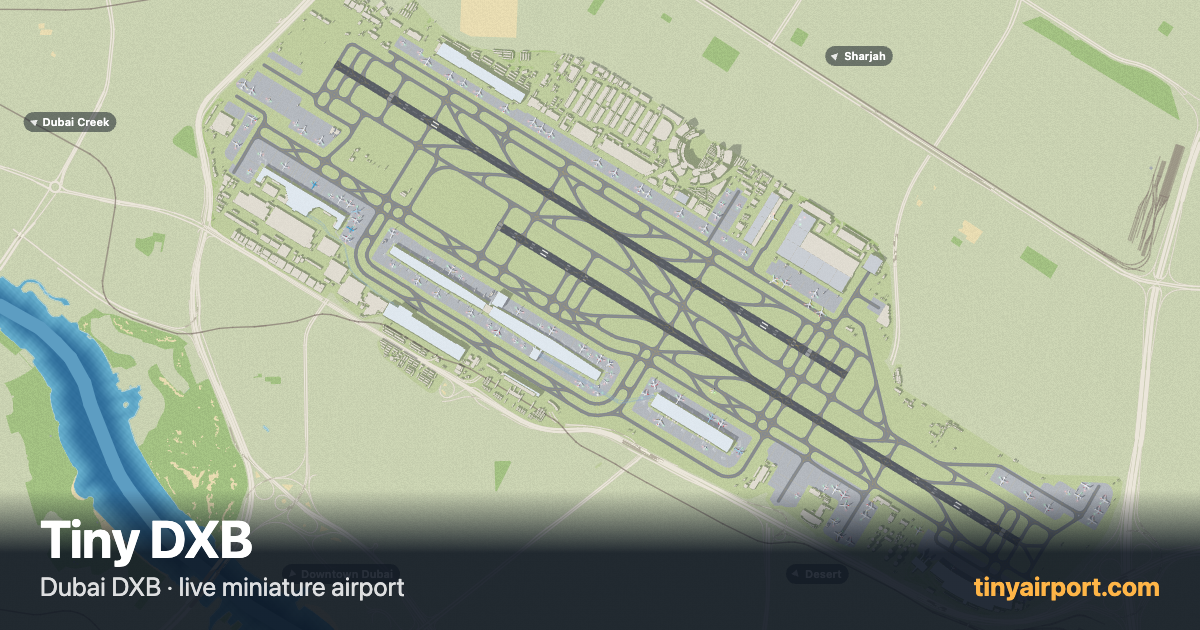
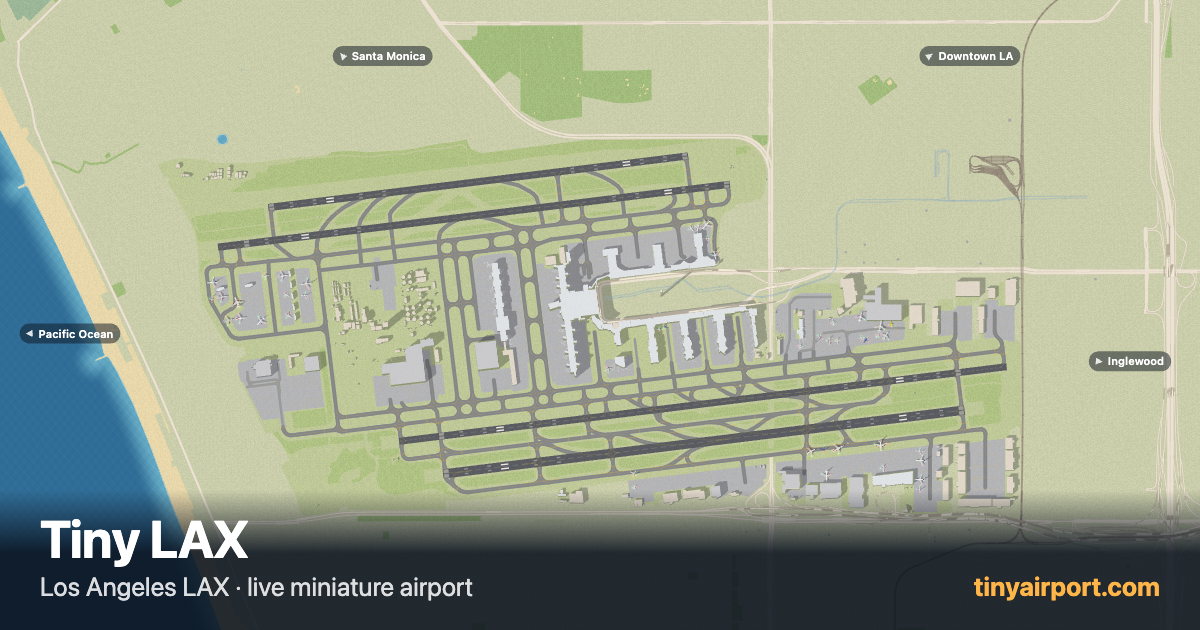
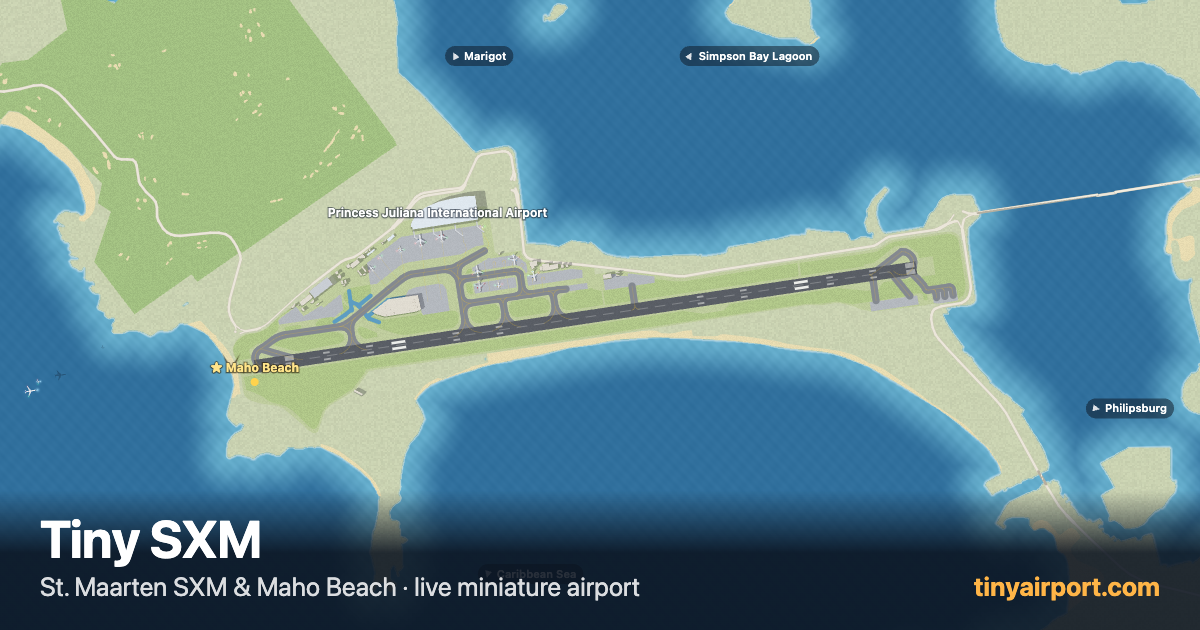
SFO sits on the western shore of San Francisco Bay, its runways reaching out over the water on fill. Watch arrivals pair up on the close parallels, aircraft pushing back from four terminals, and departures turning out over the Bay, all under the airport's real weather and light.
Two pairs of crossing runways
SFO has four runways in two crossing pairs: 10L/28R and 10R/28L run east to west, and 1L/19R and 1R/19L run north to south. On most days the westerly wind off the Pacific means aircraft land on 28L and 28R, coming in from the southeast over the Bay, and take off on 1L and 1R, heading north before turning out.
The two arrival runways are only about 750 feet apart, one of the closest pairs of parallel runways at a major airport. In clear weather controllers can bring aircraft in side by side, which is why you so often see two jets on final at the same time.
Fog and the marine layer
In summer a marine layer often rolls in from the Pacific and spills over the hills into the Bay. When the clouds are low, side-by-side approaches stop and arrivals must be spaced further apart, so delays build up even on a calm day. In the miniature you can see this as haze and drifting cloud shadows when the real airport is overcast.
Terminals and gates
Four terminals ring the central parking garage: Harvey Milk Terminal 1, Terminal 2, Terminal 3, and the International Terminal with boarding areas A and G. United Airlines runs its largest hub here, so its aircraft fill Terminal 3 and much of the International Terminal, alongside long-haul carriers from Asia, Europe and Oceania.
Where to watch for real
Plane spotters like Bayfront Park in Millbrae and the shoreline paths along the Bay, which look across at aircraft lining up on runway 1 and landing on 28. Arrivals over the water are easiest to photograph in the afternoon, with the sun behind you.
SFO questions
Which runways does SFO use?
Most of the time arrivals land on 28L and 28R and departures take off from 1L and 1R. When storms bring a southeast wind the flow reverses, with arrivals on 19L and 19R and departures on 10L and 10R.
Why are SFO arrivals delayed by fog?
In low cloud the two parallel arrival runways, only about 750 feet apart, can no longer be used side by side, so the arrival rate drops.
Is this a live SFO flight tracker?
It shows real aircraft near SFO from ADS-B, refreshed every ten seconds, drawn on a miniature of the airport. It is not for navigation or flight planning.